

close
Choose Your Site
Global
Social Media
Views: 0 Author: Site Editor Publish Time: 2026-01-12 Origin: Site


The best kitchen cleaning wipes get the job done without messing up your surfaces. It’s important to think about what kind of surface you’re cleaning and what you’re actually trying to clean up—whether you’re wiping down a family kitchen after dinner, resetting tables in a busy restaurant, polishing stainless steel in a hotel pantry, cleaning a coffee bar counter, or removing grease in a bar back area. Before picking a product, take a quick look at things like absorbency, strength, lint level, and whether it has antibacterial protection. Many people grab the wrong wipes (or use them the wrong way), which can make cleaning harder instead of easier. Check out the table below to avoid common mistakes.
| Mistake | Description |
|---|---|
| Wrong Type of Wipe | Using the wrong wipe can damage surfaces, leave streaks, or fail to remove grease and food residues. |
| Overusing Wipes | Using too many wipes can spread dirt and germs, especially in high-traffic areas like cafés, bars, and restaurant dining rooms. |
| Not Reading Instructions | Not following dwell time, surface guidance, or food-contact instructions can reduce cleaning performance or create safety risks. |
Pick kitchen wipes that match your surfaces and your cleaning environment (home, restaurant, café, bar, hotel, or rental property). Always read the label before using any cleaning product—especially for food-contact areas.
When cleaning your kitchen, using the right cleaning wipes is crucial. Ensure the wipes are suitable for your kitchen countertops to avoid damaging the surface while effectively cleaning. Always check the label to confirm the wipes are safe for use around food. In commercial settings (restaurants, coffee shops, bars, and hotels), it’s best practice to use different wipes for raw and cooked food zones to prevent cross-contamination. If possible, opt for eco-friendly wipes made from plant-based materials to reduce waste while maintaining performance. Highly absorbent wipes help you clean up spills faster—useful for everything from dishwashing cleanup at home to quick table turnarounds in restaurants.
Choosing the right cleaning wipes for different surfaces is crucial—especially when your team is cleaning many areas quickly (front-of-house tables, service counters, bar tops, kitchen prep zones, and guest-facing surfaces). Each surface requires a different cleaning approach. Using the wrong wipes can scratch countertops or leave residue. Some wipes are designed for stainless steel, helping refrigerators and prep tables stay shiny. Wipes for wood surfaces help protect cabinets, bar shelving, and furniture from drying out or staining.
Choosing the right kitchen wipes makes cleaning safer and easier. Using wipes that match the surface material delivers better results and helps keep spaces looking professional—whether it’s a hotel breakfast area, a café counter, a bar service station, or a home kitchen. Many people prefer multi-surface wipes because they work across multiple locations without switching products, saving time for staff and reducing inventory.
Tip: Always read the label before you use a new wipe. Look for terms like “granite-safe” or “stainless steel compatible” to ensure you pick the right one for your venue.
Here is a table to help you choose kitchen wipes for different surfaces:
| Factor | Why It Matters | What to Look For |
|---|---|---|
| Material & Texture | Determines how well it scrubs and how gentle it is | Microfiber for tough messes; soft non-woven for gentle, scratch-free cleaning |
| Formula Strength | Affects degreasing/disinfecting capability | Degreasers for stoves & fryer areas; peroxide-based options for safer disinfecting |
| Surface Safety | Prevents damage and discoloration | “Granite-safe” labels, stainless-steel guidance, residue-free finish |
WIPEX non-woven kitchen cleaning cloths are ideal for cleaning a variety of surfaces in many scenarios. You can use them on glass, stone, and stainless steel in homes, restaurants, cafés, bars, hotels, and rental properties. Their non-woven material is soft and helps reduce scratching risk on sensitive finishes. Many users also appreciate that the cloths can be washed and reused, which can reduce ongoing supply costs and waste in high-usage environments.
There are many types of kitchen wipes you can buy, and each type supports a different cleaning goal. Some wipes are for daily cleaning; others focus on disinfection; and some are made for tough jobs like grease removal in a restaurant kitchen line or cleaning coffee oils off café equipment areas.
Here is a table with the main types of kitchen wipes:
Disinfecting wipes help kill germs and bacteria—useful for sanitizing counters, handles, POS areas, and frequently touched surfaces in restaurants, cafés, bars, hotels, and at home.
Cleaning wipes pick up dirt, crumbs, spills, and light grease—great for everyday kitchen cleanup, dishwashing area wiping, and quick resets.
Multi-surface wipes work on glass, stone, and stainless steel—ideal for busy operations that need one reliable solution across multiple zones.
Specialty wipes support heavy-duty cleaning tasks like stove grease, back-of-house spills, or wood surface care.
WIPEX non-woven kitchen cleaning wipes are a versatile option designed for multi-scene use. They can support cleaning and disinfecting routines and are built to be strong and durable. In day-to-day use, they fit a wide range of needs—from a home kitchen wipe-down after washing dishes, to table and counter cleaning in restaurants, to quick surface resets in cafés, bars, and hotels.
When choosing kitchen cleaning wipes, start with your real-world workflow. If you need strong sanitation for high-touch areas, choose a product designed for disinfecting. If you frequently clean glass, stainless steel, or wood, choose wipes that are gentle and streak-resistant. Multi-functional wipes like WIPEX can help reduce product switching and simplify training for staff across different venues.
Note: Multi-surface wipes are popular because they save space and money. You don’t need separate products for every surface in every area.
Always match the wipe to your cleaning job. This helps you get better results, protect surfaces, and maintain hygiene standards—at home or in commercial settings.
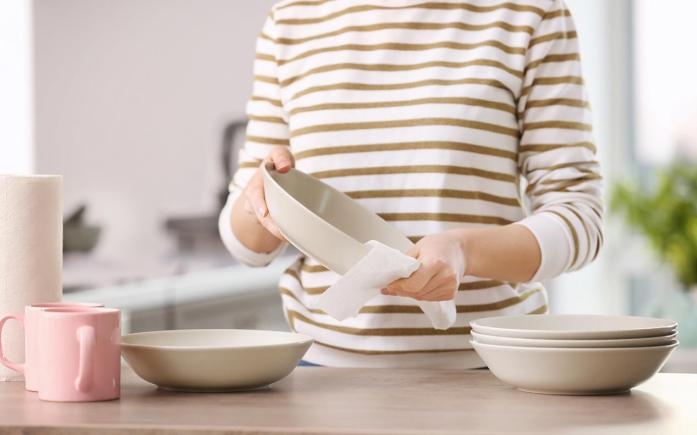
Pick wipes that keep countertops safe. Stone surfaces like granite and marble need gentle cleaning—common in modern homes, hotel breakfast stations, and café counters. Always check whether wipes are suitable for non-porous surfaces. The best wipes clean without streaks or changing grout color.
| Feature | Description |
|---|---|
| Safe for surfaces | Works for marble, granite, quartz, and other non-porous surfaces |
| Streak-free formula | Helps avoid marks and leftover residue |
| Protects against stains | Helps reduce new stains and grime buildup |
| Non-discoloring | Helps keep grout bright and clean-looking |
WIPEX Nonwoven Kitchen Wipe works well on stone countertops. Its absorbent material helps clean up spills fast in homes, restaurants, cafés, hotels, and other high-traffic spaces.
Stainless steel appliances need careful cleaning. Use wipes that remove fingerprints and greasy spots without scratching—important for restaurant kitchens, café equipment zones, hotel pantries, and home refrigerators. Always wipe in the direction of the grain on stainless steel, and avoid overly harsh chemicals.
Pick soft wipes for shiny or brushed steel surfaces.
Wipe along the grain to reduce streaking.
Choose wipes that help reduce fingerprints and water spots.
WIPEX wipes are soft yet strong for stainless steel cleaning. They can support routine cleaning schedules in busy kitchens, service areas, and hospitality spaces.
Glass and mirrors show stains quickly. Use cloths designed for glass to remove grease and fingerprints without streaks—useful for café display cases, hotel mirrors, bar back mirrors, and home glass surfaces. Thick, absorbent cloths and high-quality microfiber options can help leave glass looking clear and polished.
Wood requires gentle cleaning. Many wipes are suitable for sealed wood when the label indicates compatibility—helpful for restaurant tables, café seating, hotel furniture, and home cabinets. Non-woven wipes like WIPEX are soft and help control moisture, reducing the risk of water damage while keeping surfaces looking newer longer.
Tip: Choose non-woven wipes that are gentle on sealed wood and help control moisture to reduce the chance of water marks.
Some surfaces—such as marble, ceramic, or laminate—require extra care. Choose wipes designed to clean without scratching and confirm they are safe and non-toxic, especially for food-adjacent areas. WIPEX wipes can be used across a range of specialty surfaces, making them a practical choice for mixed-material environments like restaurants, hotels, and modern homes.
Using the wrong wipe can spread germs, expose you to unnecessary chemicals, and make surfaces look dirtier. Always pick the right wipe for each surface and each cleaning zone.
High-quality kitchen cleaning wipes should absorb spills quickly—whether it’s water around a dishwashing area at home, coffee spills at a café, drink splashes at a bar, or prep-area messes in a restaurant. Some wipes absorb multiple times their own weight, helping reduce downtime and improve cleaning efficiency. WIPEX kitchen cleaning wipes are strong, durable, and suitable for wiping water, oil, and grease. They perform well in busy environments such as supermarkets, bars, cafés, restaurants, and hotels.
WIPEX kitchen wipes can be washed and used again.
You can save money by using fewer wipes over time.
They work well with sanitizing agents in structured cleaning routines.
They can be used for oil, grease, and solvent wiping in many work settings.
Tip: Strong wipes resist tearing when scrubbing sticky messes or cleaning textured surfaces.
Disinfecting wipes help keep kitchens and service spaces safe from germs—especially in restaurants, hotels, and cafés where many people touch shared surfaces. The best disinfecting wipes use proven active ingredients (commonly alcohol or bleach-based formulas) and provide clear instructions for contact time. WIPEX offers antibacterial wipe options that support cleaning and disinfection workflows for professional environments.
| Feature | Description |
|---|---|
| Bacteria and Virus Kill Rate | Many products claim up to 99.9% effectiveness when used correctly (follow label directions). |
| Food-Contact Surface Safety | Only use products labeled as safe for food-contact surfaces where applicable. |
| Chemical Residue | A good wipe minimizes residue; some applications may require a water rinse (follow label). |
| Speed of Action | Clear dwell time guidance supports efficient, compliant cleaning routines. |
Powerful disinfectant wipes can help protect your family or customers. Always check the label to confirm active ingredients and whether the product is tested against common bacteria (for example, E. coli or Salmonella) when used as directed.
When cleaning food preparation areas, safety is critical. Choose wipes that are labeled for food-contact surfaces and follow all usage instructions. In commercial kitchens, look for recognized compliance markers such as EPA registration (for disinfectants) or NSF listings where relevant to your use case.
| Certification Type | Description |
|---|---|
| EPA Registration | Indicates the disinfectant product meets regulatory requirements for claims and use instructions. |
| NSF Listing | Indicates compliance with specific public health and safety standards for certain applications. |
Food-safe wipes help you clean and sanitize without worrying about inappropriate chemical use—important for homes and for professional kitchens in restaurants, hotels, and cafés.
Eco-friendly kitchen wipes help reduce waste and support greener operations—especially for hotels, cafés, and restaurants with sustainability goals. WIPEX wipes can be made from plant-based materials (such as bamboo fiber), offering a biodegradable alternative for many applications.
Eco-friendly wipes can help reduce plastic waste.
Plant-based materials can be gentler on the environment.
Many options avoid harsh dyes and heavy fragrances.
| Benefit | Description |
|---|---|
| Antibacterial Properties | Some plant fibers (e.g., bamboo) are commonly associated with naturally occurring protective characteristics. |
| Eco-friendliness | Biodegradable materials can reduce long-term landfill burden. |
| Moisture Absorption | Good absorption supports faster spill cleanup in kitchens and service areas. |
The best kitchen cleaning wipes clean thoroughly and leave surfaces ready for immediate use—important for food prep zones, coffee counters, and bar service areas. Look for wipes that don’t leave sticky residue and offer a mild (or unscented) finish that won’t interfere with food and beverage service.
Residue-free wipes make daily cleaning faster.
Mild scent (or unscented) helps avoid odor conflicts with food and drinks.
Surfaces can be ready for cooking or service sooner.
Note: Always confirm “residue-free” and food-area suitability on the label before using wipes where food is prepared or served.
| Feature | Best Kitchen Wipes | Standard Options |
|---|---|---|
| Effectiveness | Clear efficacy claims and instructions for hard surfaces | General cleaning, may lack clear disinfection guidance |
| Eco-friendliness | Biodegradable, plant-based material options | Often more synthetic materials |
| Versatility | Suitable for multiple surfaces and multiple use scenarios | May be limited to a narrower set of surfaces |
| Fragrance | Natural scent options or unscented | Often stronger fragrance |
| Target Use | Designed for high-frequency cleaning (commercial + home) | Primarily for occasional home cleaning |
WIPEX kitchen wipes combine cleaning capability, safety considerations, and eco-friendly options. They can be used for routine cleaning and hygiene maintenance in many scenarios—restaurants, cafés, bars, hotels, rental properties, offices, and family kitchens.
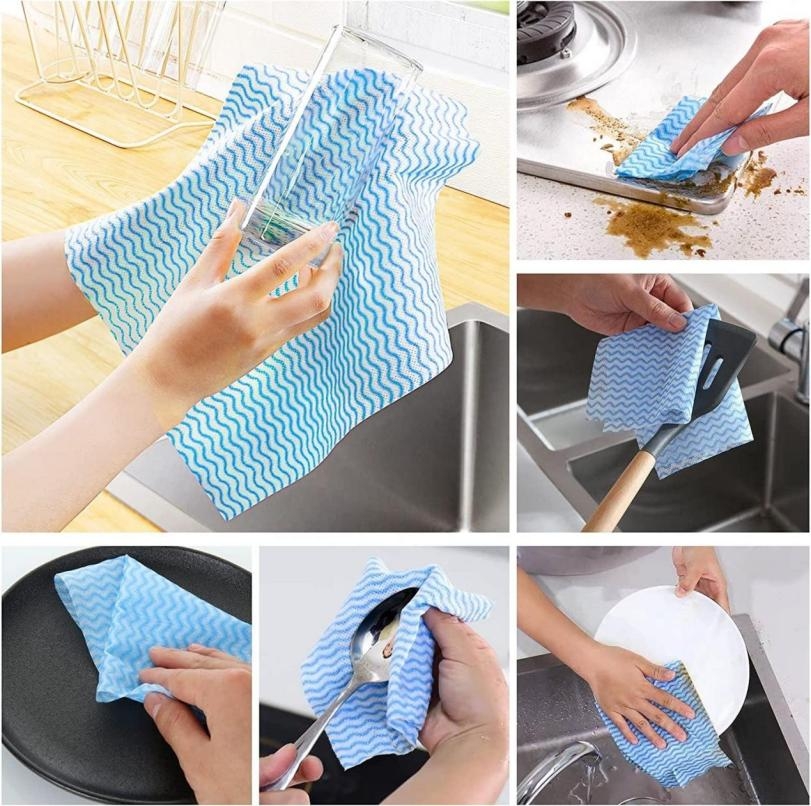
Maintaining kitchen hygiene is essential at home and in commercial food service. Use different wipes for raw food areas, cooked food areas, and frequently touched surfaces. Color-coded cloth systems can help: for example, green for food prep, red for high-risk areas, and blue for general cleaning. If you use reusable wipes (such as WIPEX), wash them thoroughly after each use and store them clean and dry (or as required by your sanitation process). This is especially important in restaurants, cafés, bars, and hotels where hygiene standards and inspections may apply.
Tip: Never use the same wipe for raw meat areas and ready-to-eat food surfaces.
To keep your kitchen or venue looking clean and professional, choose wipes designed to minimize residue. Wipe in one direction and switch to a fresh wipe for glass and mirrors. For high-touch surfaces (door handles, taps, POS areas), consider antibacterial wipes. For countertops and food prep surfaces, use food-grade or food-contact-safe wipes as labeled.
Dispose of disposable wipes in the trash—do not flush them. Reusable wipes should be washed with hot water and soap (or disinfected according to your facility’s protocol), then fully dried before storage. Store clean wipes in a sealed container to reduce contamination. Reusable wipes like WIPEX can help reduce waste and control costs in high-usage settings such as restaurants, hotels, cafés, and bars.
| Safety Guideline | Description |
|---|---|
| Use food-safe products | Confirm wipes are labeled safe for food-contact surfaces where applicable. |
| Adhere to regulations | Follow FDA/EPA guidance and local health rules for cleaning and sanitizing in food service environments. |
Note: Not all disinfecting wipes are safe for food areas. Always read the label before use.
Before purchasing kitchen wipes, check the label for ingredients, safety warnings, and usage directions. This helps you avoid harsh chemicals or allergens and confirms whether gloves are recommended. For professional venues (restaurants, cafés, bars, hotels), label clarity supports consistent staff training and helps standardize cleaning procedures. Look for certification markings such as EPA registration (for disinfectants) and NSF listings where appropriate to your cleaning needs.
Tip: Look for batch numbers and expiration dates so your wipes stay effective and safe.
Kitchen cleaning wipes are not suitable for every surface. The label should list compatible surfaces (glass, wood, stainless steel, stone, etc.). Disinfecting wipes often list the microbes they target and the required contact time. Always follow these instructions to achieve the results claimed on the label.
| Label Feature | Why It Matters |
|---|---|
| Usage Instructions | Shows how to use wipes safely and effectively |
| Surface Compatibility | Helps prevent damage and ensures good results |
| Efficacy Claims | Explains what the wipe removes/kills when used correctly |
Eco-friendly wipes can be better for your family and the planet. Many brands now use bamboo fiber or other plant-based materials. WIPEX bamboo fiber wipe options are naturally biodegradable and can suit both home and professional kitchens. Look for eco-related claims and certifications on packaging, and choose products that balance sustainability with the cleaning performance your environment requires.
Note: Bamboo fiber wipes are often valued for strength and absorbency, making them useful for daily cleaning in homes, restaurants, cafés, bars, and hotels.
With the right kitchen cleaning wipes, you can keep your space clean, safe, and presentable—whether you’re running a restaurant, café, bar, or hotel, or simply maintaining a hygienic home kitchen after dishwashing and daily cooking. Use this quick checklist:
Pick wipes that match your surface type.
Check absorbency and strength for spills, grease, and daily messes.
Choose disinfecting/antibacterial options for high-touch areas when needed.
Confirm food-contact safety for prep and serving zones.
Consider reusable or plant-based wipes to reduce waste and control long-term costs.
You can use kitchen wipes to clean countertops, appliances, glass, wood, and specialty material surfaces. Always check the label to confirm compatibility. Some wipes, such as WIPEX, are suitable for a variety of surfaces—helpful for restaurants, cafés, bars, hotels, and home kitchens.
Only use disinfecting wipes labeled as safe for food-contact surfaces in prep areas, and follow the instructions carefully. Some products may require a rinse with water after use—always follow the label directions.
Use different wipes for raw food zones, ready-to-eat areas, and high-touch surfaces. Color-coded systems can help in restaurants and cafés. Wash reusable wipes after each use and store them properly to maintain hygiene.
Yes. Food service wipes can also work well at home for dishwashing cleanup, countertop wiping, and quick daily kitchen cleaning—especially if you want stronger durability and better absorbency.
Bamboo fiber wipes are plant-based and can biodegrade more easily than plastic-based materials, helping reduce waste and support more sustainable cleaning routines.
```


